
The VET Ecosystem for Employability in Ghana project has concluded after three years, with stakeholders calling for its gains in practical training, entrepreneurship and industry collaboration to be sustained.
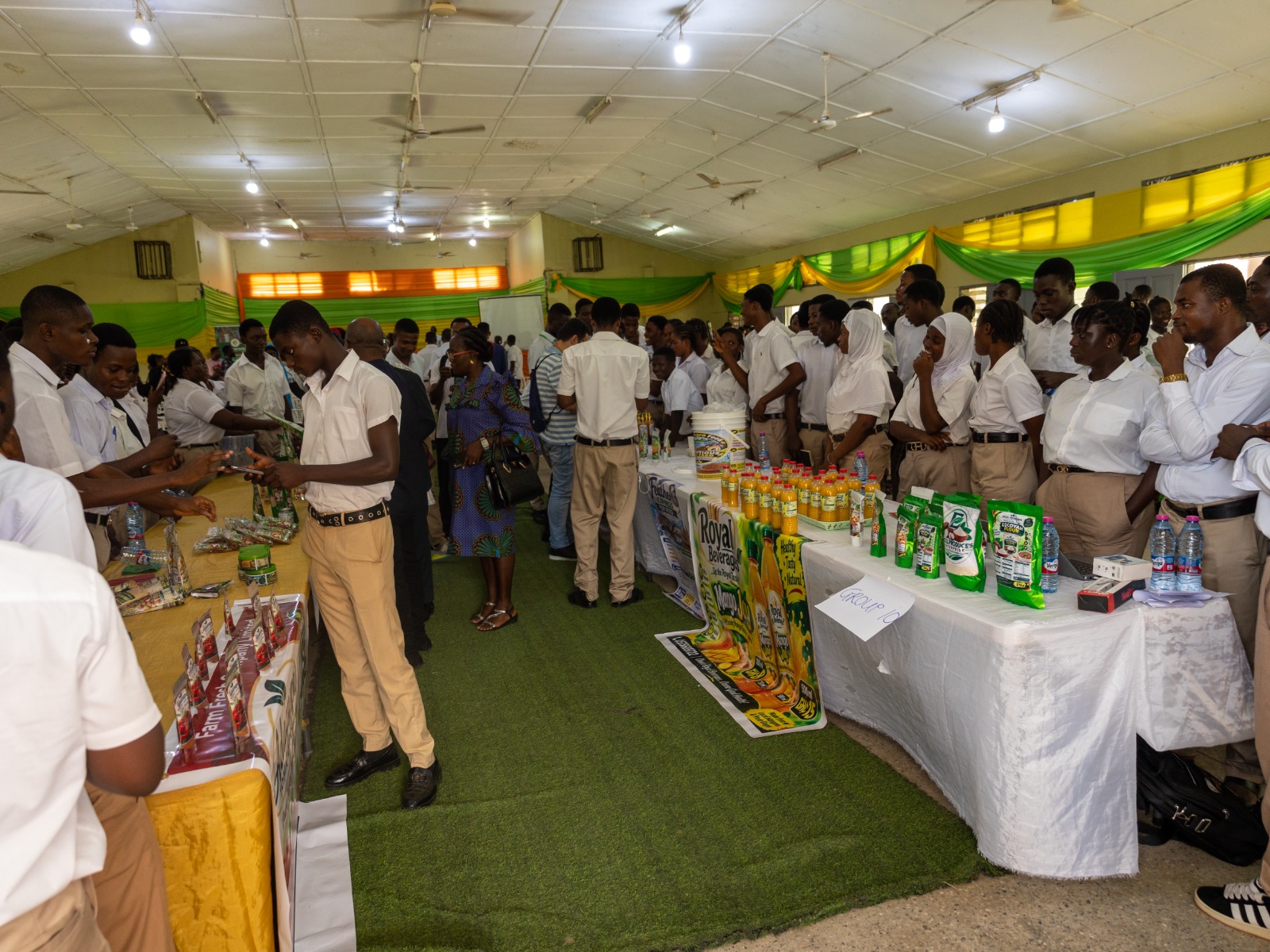
The closing event brought together stakeholders to review the project’s achievements, showcase student innovations and discuss how participating vocational education and training (VET) institutions could build on its results.
Delivering the keynote address, Dr. David Anambam, the Ashanti Regional Director of the Ministry of Food and Agriculture (MoFA), urged Ghana to adopt modern agricultural practices to meet the needs of its growing population.
“Twenty years ago, our population was under 20 million. Now we are heading towards 40 million. So, you cannot use the same methods you used for farming to feed 40 million people. It cannot work. We need to do something different,” he stated.
He commended the project’s emphasis on industry engagement and innovative learning, saying the agricultural sector needed graduates who could produce and process agricultural products efficiently.
“The CB-VET Ghana project has contributed to this agenda by promoting a more practical, entrepreneurial and industrial responsibility for agricultural education. I encourage the students to use this opportunity to test their ideas, core business ideas, receive constructive feedback, establish business contracts and adapt to our potential interests and partners,” he added.
The Project Lead, Dr. Ishak Shaibu, said the initiative had strengthened local capacity and helped prepare graduates for the changing demands of the agricultural labour market.
“Local capacities have been built. The institutions have been strengthened, and we are now better prepared for climate-smart agriculture and for producing graduates who are ready for the labour market,” he said.
Dr. Shaibu said the focus would now shift from implementation to sustaining the project’s achievements and building on its progress.
He said students’ growing interest in business ideas, prototypes and practical innovations reflected a shift towards entrepreneurship, self-employment and job creation.
“If today you are not saying that I will write an application letter for a job, but you are telling us that you are so stuck with ideas and prototypes, it means that the objective has been achieved,” he said.
He described the project as a first step towards transforming agricultural education and expressed optimism that subsequent initiatives would build on its achievements.
Representing the Kwame Nkrumah University of Science and Technology (KNUST), Prof. Dadson Awunyo-Vitor encouraged students to explore government agencies and programmes that support young entrepreneurs and innovators.
Mr. Albert Appiah Amoakoh, Principal of Kwadaso Agricultural College, praised the project for strengthening partnerships among training institutions, industry and government.
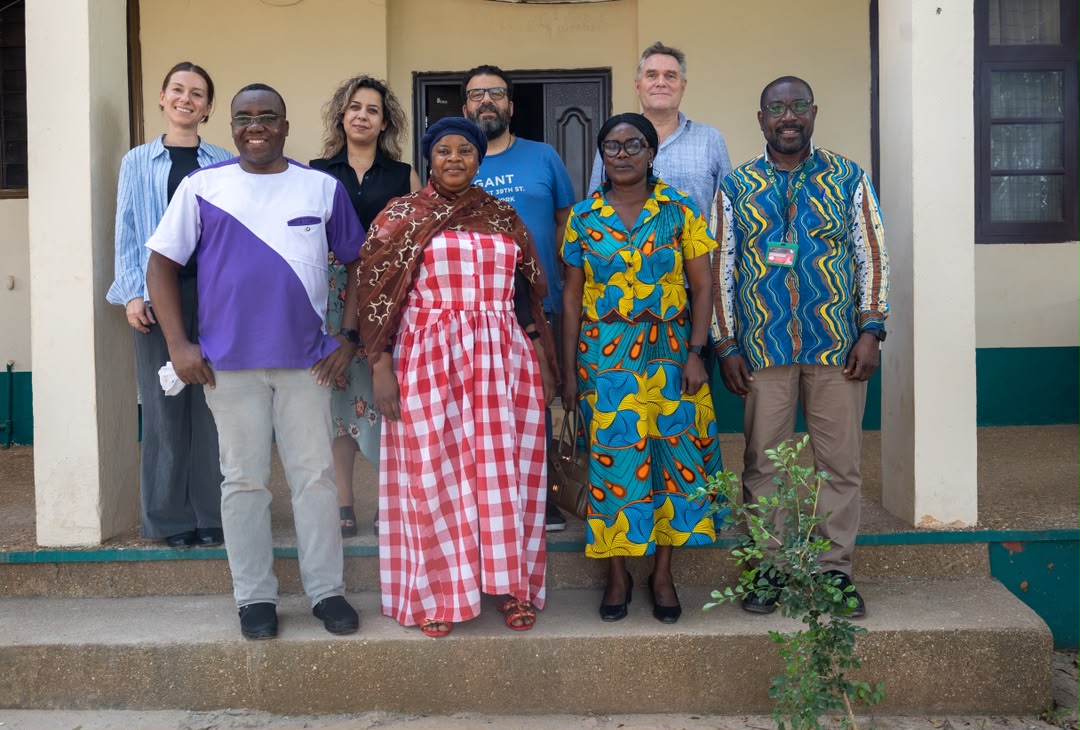
Implementation partners included Maastricht University’s Maastricht School of Management, represented by Mr. Hans Nijhoff; CINOP, represented by Ms. Fleur Hendriks; and the American Farm School, represented by Mr. Dimitrios Moustakis and Moschou Panagiota.
Other participating organisations included Bunash Enterprise & Farms and the Rights and Advocacy Initiatives Network.
The project was funded by the European Commission through the Erasmus+ Programme and implemented by the European Education and Culture Executive Agency (EACEA).


